8 min read

What Is a Stablecoin?

Aug 24, 2025
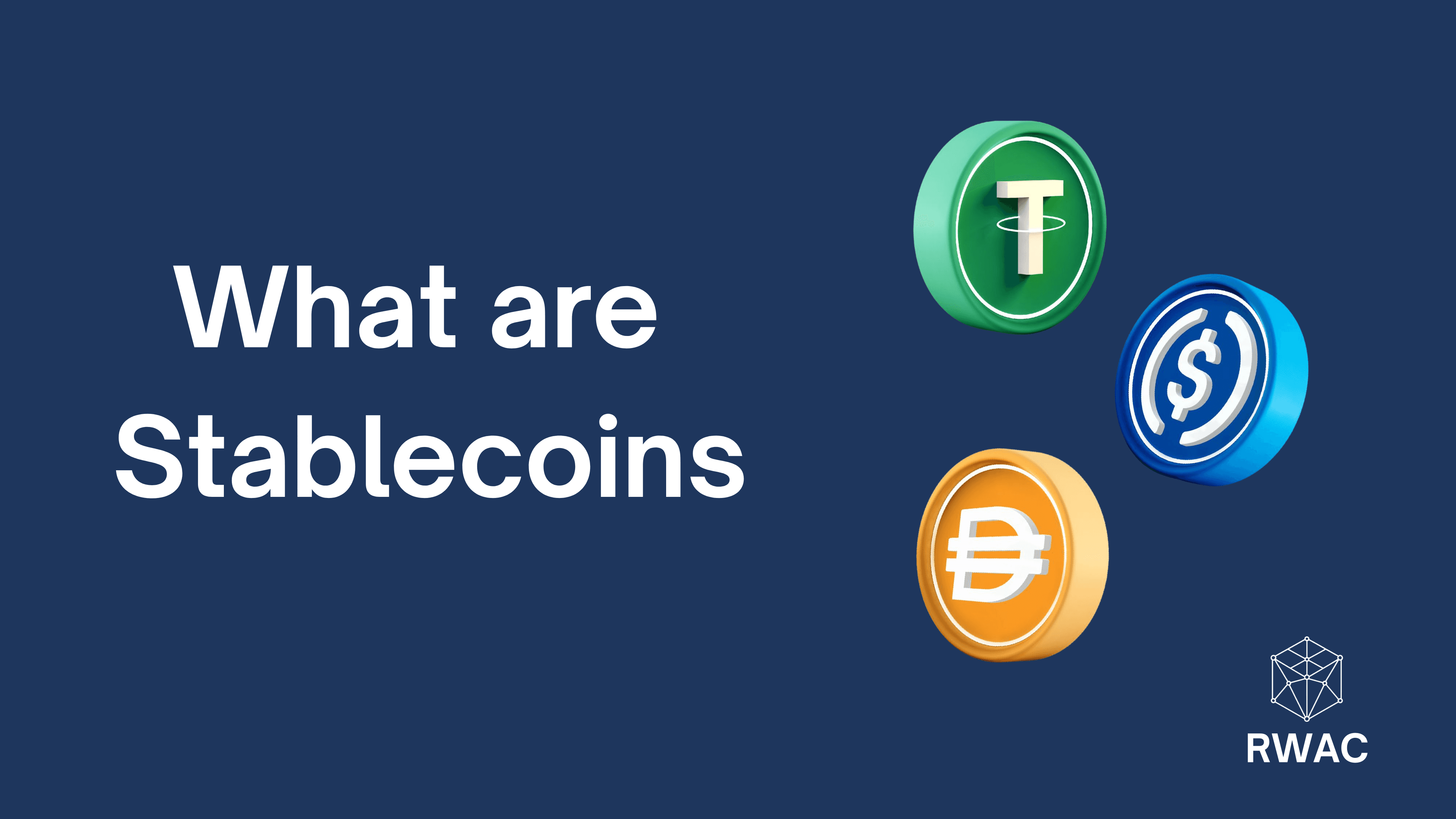
What are  stablecoins

What is a Stablecoin?

Cryptocurrencies such as Bitcoin and Ethereum are known for their price volatility. Their value can move dramatically in short periods, which makes them difficult to use for everyday payments or as a stable store of value.

Stablecoins were created to solve this problem.

A stablecoin is a type of digital asset designed to maintain a stable value by linking its price to another asset, most commonly a traditional currency like the US dollar.

Most stablecoins aim to maintain a 1:1 value with the US dollar, meaning one token equals one dollar.

This allows users to benefit from the speed and efficiency of blockchain technology while avoiding the price volatility typically associated with cryptocurrencies.

How Stablecoins Work

Stablecoins maintain their value through different mechanisms. The most common approach is holding reserve assets that back the tokens in circulation.

When someone buys a stablecoin, the issuer typically holds an equivalent amount of reserves such as:

• Cash
• Short-term government bonds
• Treasury bills
• Other highly liquid assets

These reserves support the stablecoin’s value and allow holders to redeem the token for the underlying currency.

Types of Stablecoins

Stablecoins generally fall into four main categories.

Fiat-Backed Stablecoins

These are the most common type.

They are backed by traditional currencies such as the US dollar held in reserve by the issuer.

Examples include:

• USDT (Tether)
• USDC (USD Coin)
• PayPal USD (PYUSD)

For instance, PayPal launched its own dollar-backed stablecoin designed for digital payments and transfers within its ecosystem.

Commodity-Backed Stablecoins

These tokens are backed by physical assets such as gold.

One example is Tether Gold, where each token represents ownership of a portion of physical gold held in reserve.

Crypto-Backed Stablecoins

Instead of fiat currency, these stablecoins are backed by other cryptocurrencies.

Because crypto assets are volatile, these systems typically require over-collateralisation, meaning the value of the collateral is greater than the value of the stablecoins issued.

A well-known example is DAI, which is backed by cryptocurrencies like Ethereum.

Algorithmic Stablecoins

Algorithmic stablecoins attempt to maintain price stability through automated supply mechanisms rather than traditional reserves.

However, some algorithmic stablecoins have failed, including the collapse of TerraUSD in 2022, which highlighted the risks associated with these models.

Real-World Uses of Stablecoins

Stablecoins are becoming an important part of the digital financial system.

They are commonly used for:

Trading cryptocurrencies
Stablecoins act as a stable “cash” asset within crypto markets.

Cross-border payments
Transfers can occur globally, often faster and cheaper than traditional banking systems.

Digital commerce
Some companies now accept stablecoins for payments.

Blockchain finance
Stablecoins are widely used in decentralised finance (DeFi) platforms.

Institutional Interest Is Growing

Major financial institutions are beginning to explore blockchain and tokenised financial assets.

For example, BlackRock launched a tokenised liquidity fund on blockchain infrastructure that maintains a stable value while providing exposure to traditional assets such as short-term U.S. Treasury instruments.

This development signals that traditional finance is increasingly integrating with digital asset infrastructure.

Why Stablecoins Matter

Stablecoins play a key role in connecting traditional financial systems with blockchain networks.

They combine:

• The stability of traditional currency
• The efficiency of blockchain technology
• The ability to move money globally and instantly

As digital finance continues to evolve, stablecoins may become an important component of the future financial infrastructure.

FAQs

Questions about investing in real world assets

Helpful answers covering asset tokenisation, platform access, investment structure, and how RWAC works.

What is RWAC?

RWAC is a platform that allows investors to access tokenised real world assets. Projects such as renewable energy, infrastructure, real estate portfolios, and private credit can be structured into digital tokens, enabling investors to participate in assets that were traditionally difficult to access.

What are real world assets (RWAs)?

Real world assets are physical or financial assets that exist outside of blockchain networks but are represented digitally through tokenisation. Examples include renewable energy projects, infrastructure assets, property portfolios, and private credit investments.

How do I invest on RWAC?

The process is simple. Create an account, complete identity verification (KYC), connect your wallet, review available asset projects, and invest in asset tokens directly through the platform.

Are the assets verified before listing?

Yes. Projects listed on RWAC go through a review process which may include documentation checks, structure verification, and issuer information review before being presented to investors.

How and when are investment returns paid?

Returns depend on the structure of each asset. Some investments provide periodic income distributions such as quarterly payments, while others may generate returns at the end of the investment term.

Do I need crypto experience to invest?

No. While investments may use blockchain infrastructure, the platform is designed to be simple to use. Investors can follow guided steps for onboarding, verification, and investment.

FAQs

Questions about investing in real world assets

Helpful answers covering asset tokenisation, platform access, investment structure, and how RWAC works.

What is RWAC?

RWAC is a platform that allows investors to access tokenised real world assets. Projects such as renewable energy, infrastructure, real estate portfolios, and private credit can be structured into digital tokens, enabling investors to participate in assets that were traditionally difficult to access.

What are real world assets (RWAs)?

Real world assets are physical or financial assets that exist outside of blockchain networks but are represented digitally through tokenisation. Examples include renewable energy projects, infrastructure assets, property portfolios, and private credit investments.

How do I invest on RWAC?

The process is simple. Create an account, complete identity verification (KYC), connect your wallet, review available asset projects, and invest in asset tokens directly through the platform.

Are the assets verified before listing?

Yes. Projects listed on RWAC go through a review process which may include documentation checks, structure verification, and issuer information review before being presented to investors.

How and when are investment returns paid?

Returns depend on the structure of each asset. Some investments provide periodic income distributions such as quarterly payments, while others may generate returns at the end of the investment term.

Do I need crypto experience to invest?

No. While investments may use blockchain infrastructure, the platform is designed to be simple to use. Investors can follow guided steps for onboarding, verification, and investment.

FAQs

Questions about investing in real world assets

Helpful answers covering asset tokenisation, platform access, investment structure, and how RWAC works.

What is RWAC?

RWAC is a platform that allows investors to access tokenised real world assets. Projects such as renewable energy, infrastructure, real estate portfolios, and private credit can be structured into digital tokens, enabling investors to participate in assets that were traditionally difficult to access.

What are real world assets (RWAs)?

Real world assets are physical or financial assets that exist outside of blockchain networks but are represented digitally through tokenisation. Examples include renewable energy projects, infrastructure assets, property portfolios, and private credit investments.

How do I invest on RWAC?

The process is simple. Create an account, complete identity verification (KYC), connect your wallet, review available asset projects, and invest in asset tokens directly through the platform.

Are the assets verified before listing?

Yes. Projects listed on RWAC go through a review process which may include documentation checks, structure verification, and issuer information review before being presented to investors.

How and when are investment returns paid?

Returns depend on the structure of each asset. Some investments provide periodic income distributions such as quarterly payments, while others may generate returns at the end of the investment term.

Do I need crypto experience to invest?

No. While investments may use blockchain infrastructure, the platform is designed to be simple to use. Investors can follow guided steps for onboarding, verification, and investment.

Modern minimalist building by the sea at dusk, with sleek white walls, glowing interior featuring a red chair, and a calm, serene atmosphere.

Get started

Start investing in real world assets

Create your account to explore tokenised asset opportunities and access investment projects on the RWAC platform.

Modern minimalist building by the sea at dusk, with sleek white walls, glowing interior featuring a red chair, and a calm, serene atmosphere.

Get started

Start investing in real world assets

Create your account to explore tokenised asset opportunities and access investment projects on the RWAC platform.